Studio
Founder
Buildings should answer to the communities they sit within. Landscape is to be listened to before it is reshaped. Climate should shape a project from the first sketch, not be solved for at the end.
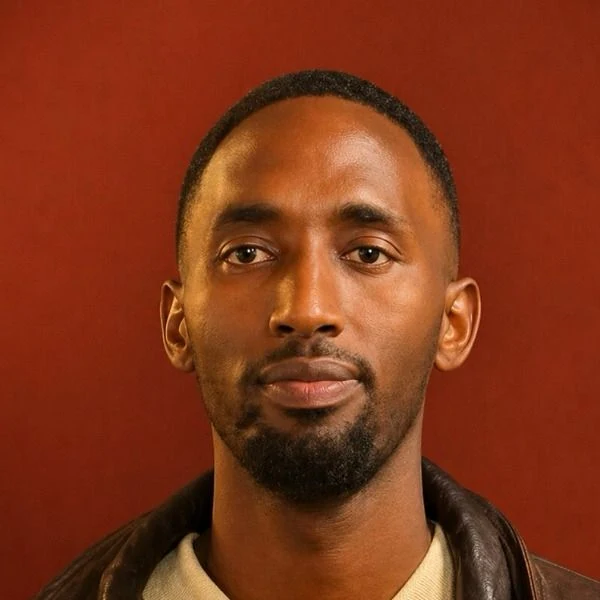
Heritier Mbananayo founded DCI Architecture in Kigali in 2024, where he serves as CEO. An aspiring architect in Rwanda, he came to the practice through that set of convictions and has built the studio around them.
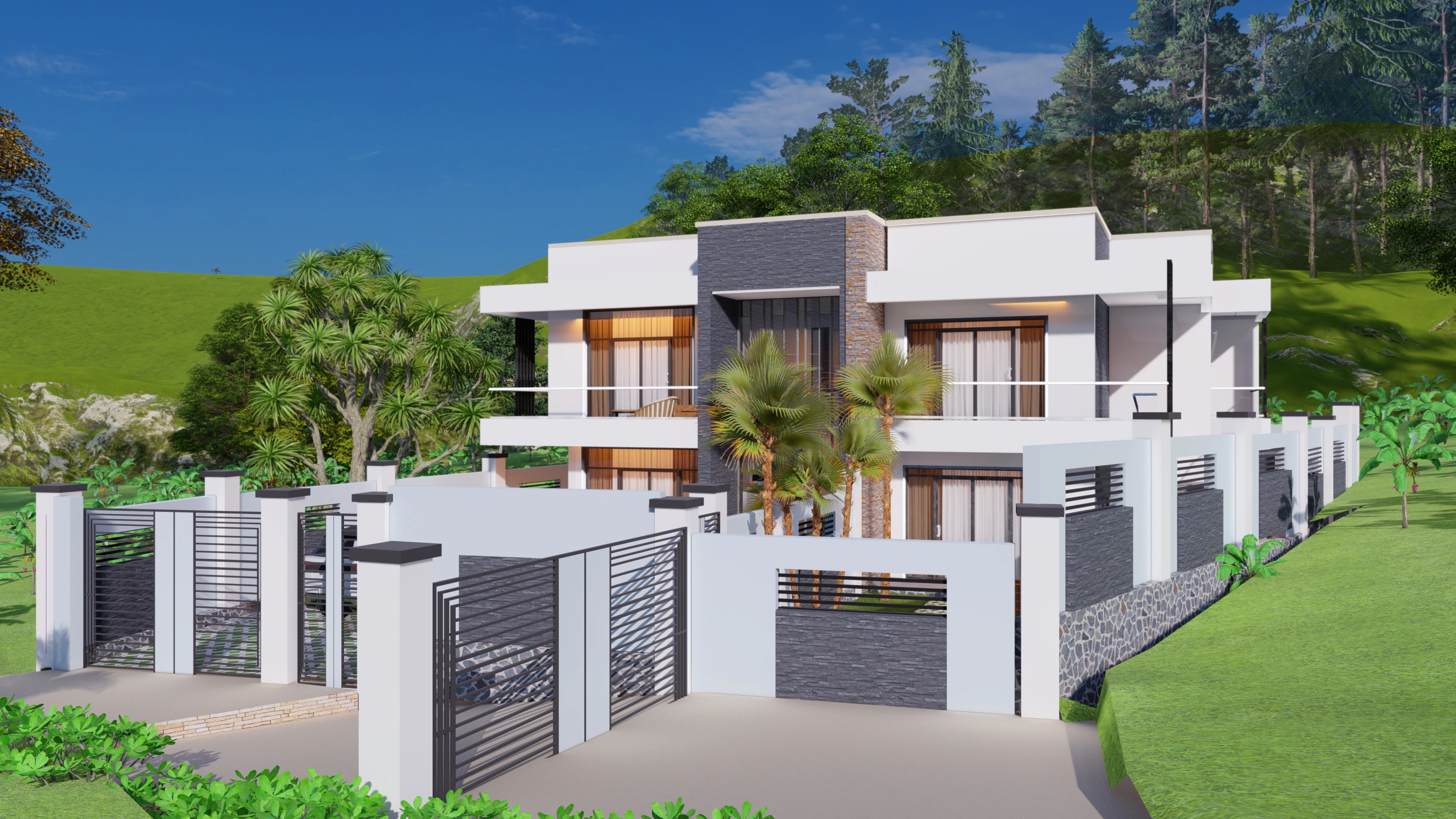
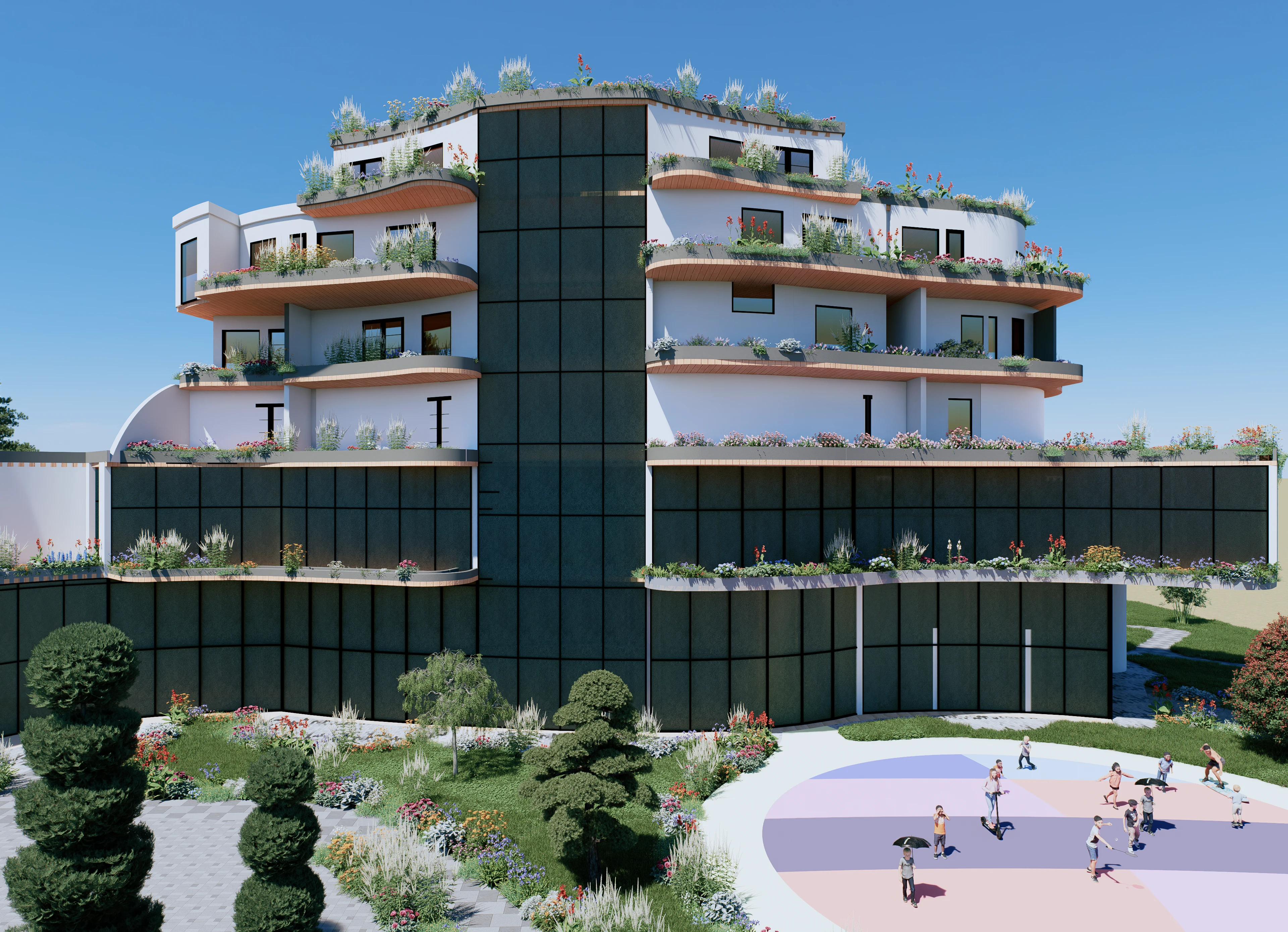
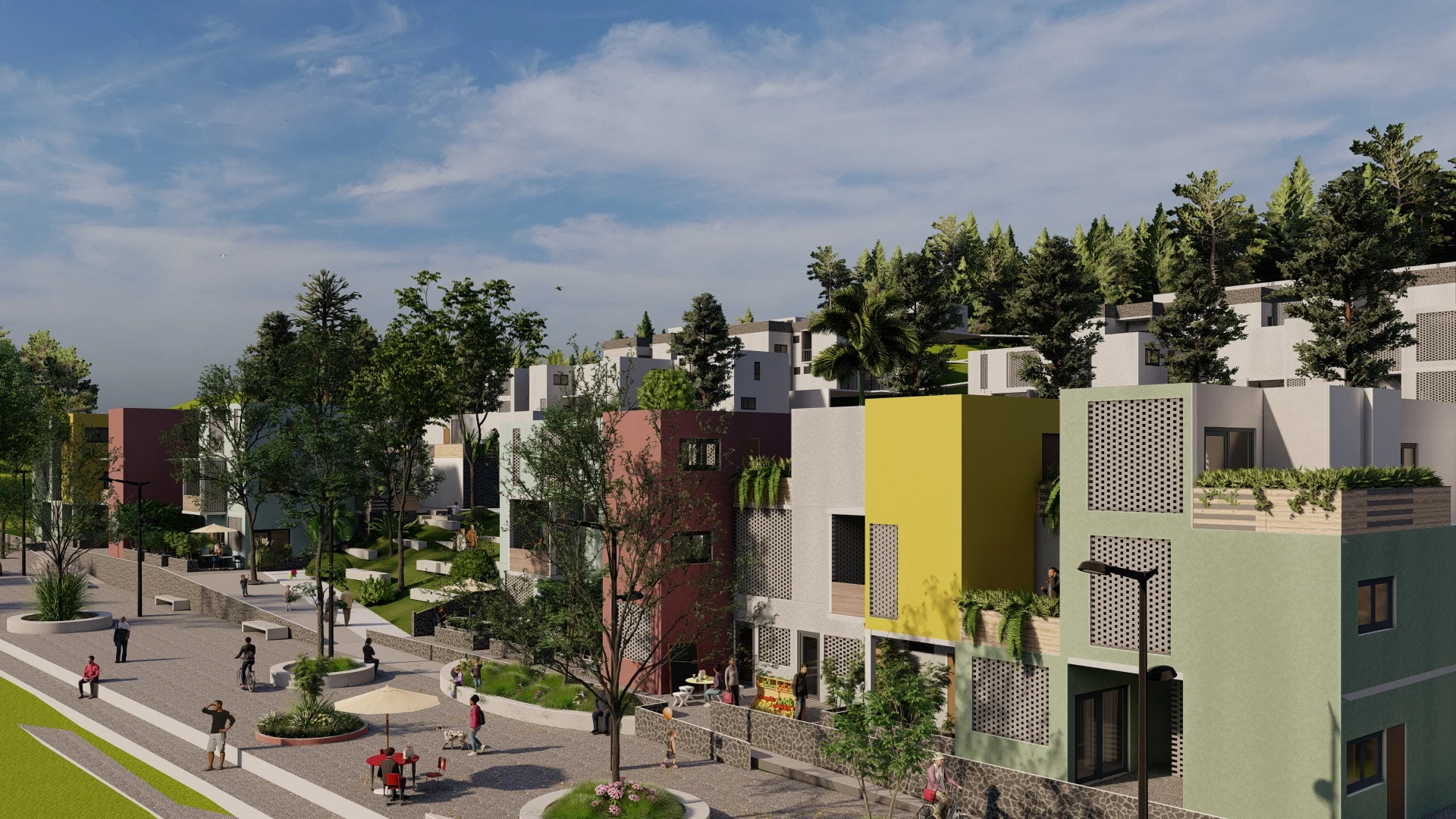
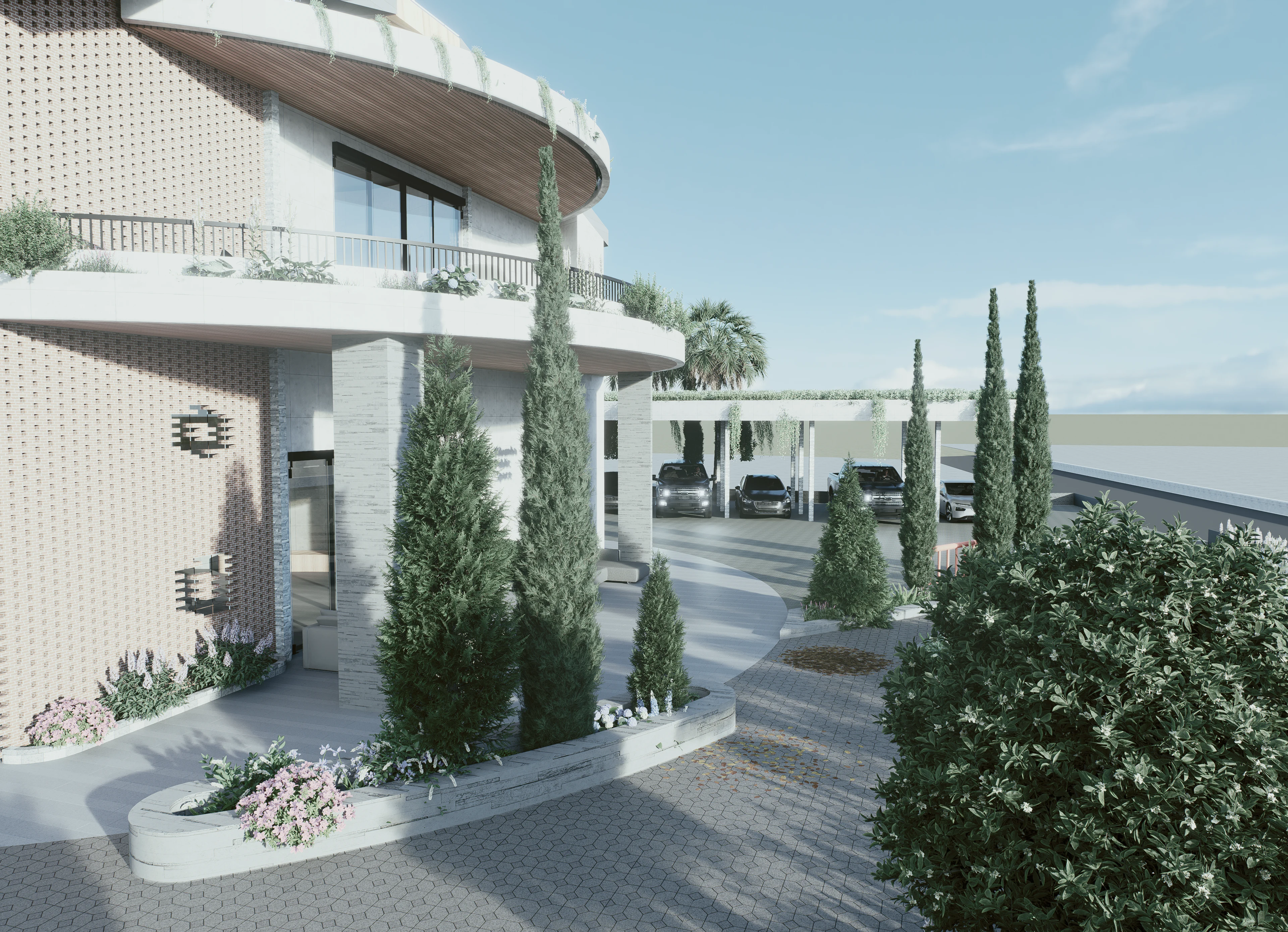
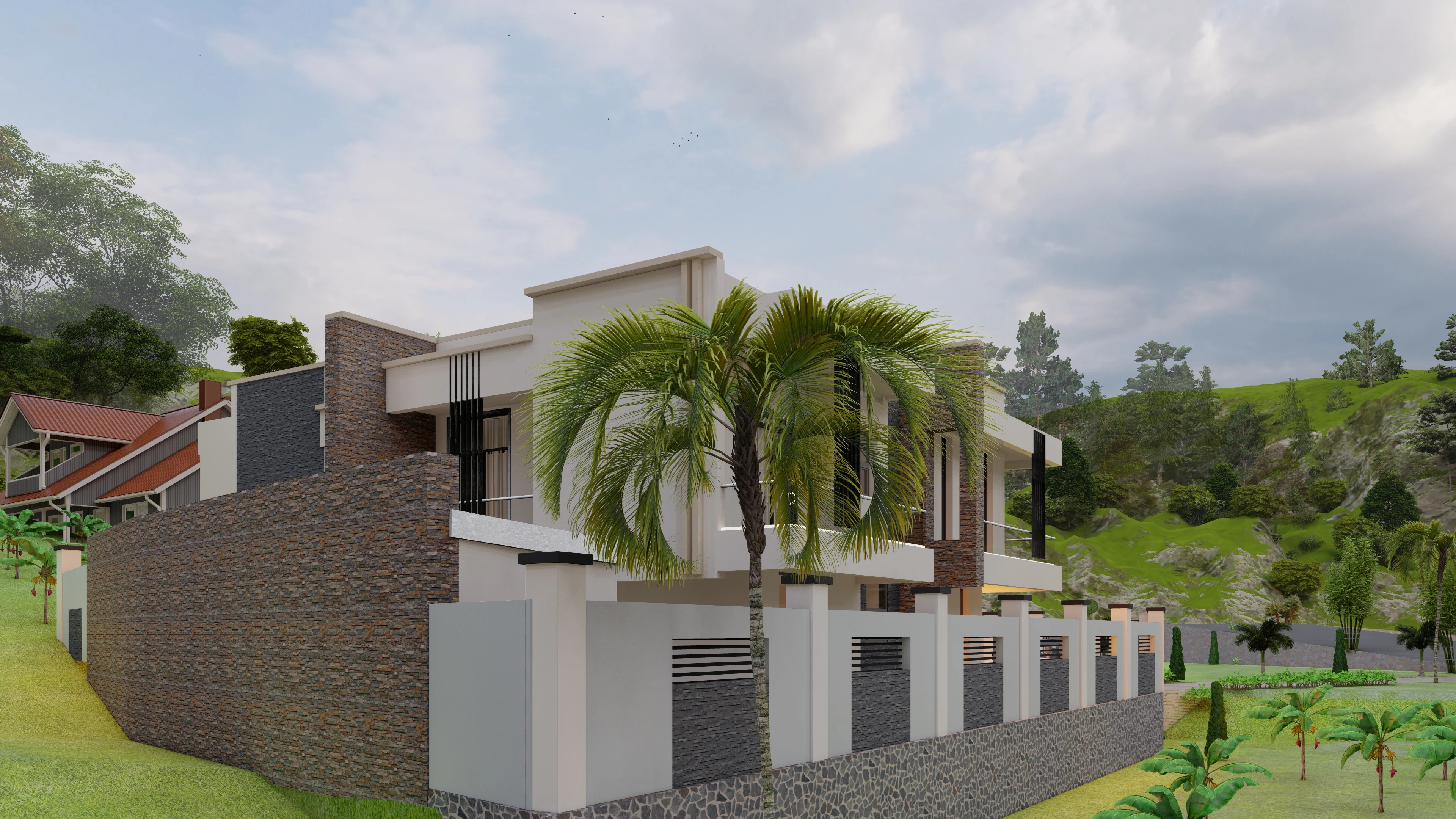
Under his direction, DCI works across private residences, mixed-use development, and public space: projects like Jabana, BIGO Residences, and Norvege, alongside research into ecological housing and urban planning across Rwanda.
The throughline is consistent: read the site closely, build with materials that age well, and design for the people who will use the space in future, not just at handover.
Philosophy
"Designing for the present, with an awareness of the past, for a future which is essentially unknown."
Norman Foster
DCI Architecture is an architectural and design practice working across private residences, mixed-use buildings, and public space. We are based in Kigali and work primarily across Rwanda.
Each project starts with the client's inquiry of the site: its landscape, climate, community, and existing conditions plus the intended purpose. We bring a flexible functional aesthetic that resonates with human needs. We read, brainstorm what is there and respond pragmatically to it.
The question we ask at the start of every project: what does this place need to become?
Approach
Context
Every project begins with a close reading of the site, the programme, and the people who will use the space. What is already there matters as much as what we add.
Materials
We work with materials that age well: stone, timber, concrete, steel. Chosen for how they perform in their climate and how they feel over time, not for how they photograph.
Ecological
Sustainability is not a checklist. It informs orientation, massing, water management, and energy from the earliest decisions, not at the end of the process.
Designed for Impact
The buildings we care most about are the ones that adapt. We design for the people who will be there in ten years, not just for the handover.
Services
- Residential Architecture
- Mixed-Use Development
- Urban & Master Planning
- Ecological Design
- Interior Environments
- Community Housing
We work with private clients, developers, and public institutions across Rwanda and beyond.
Start a conversation